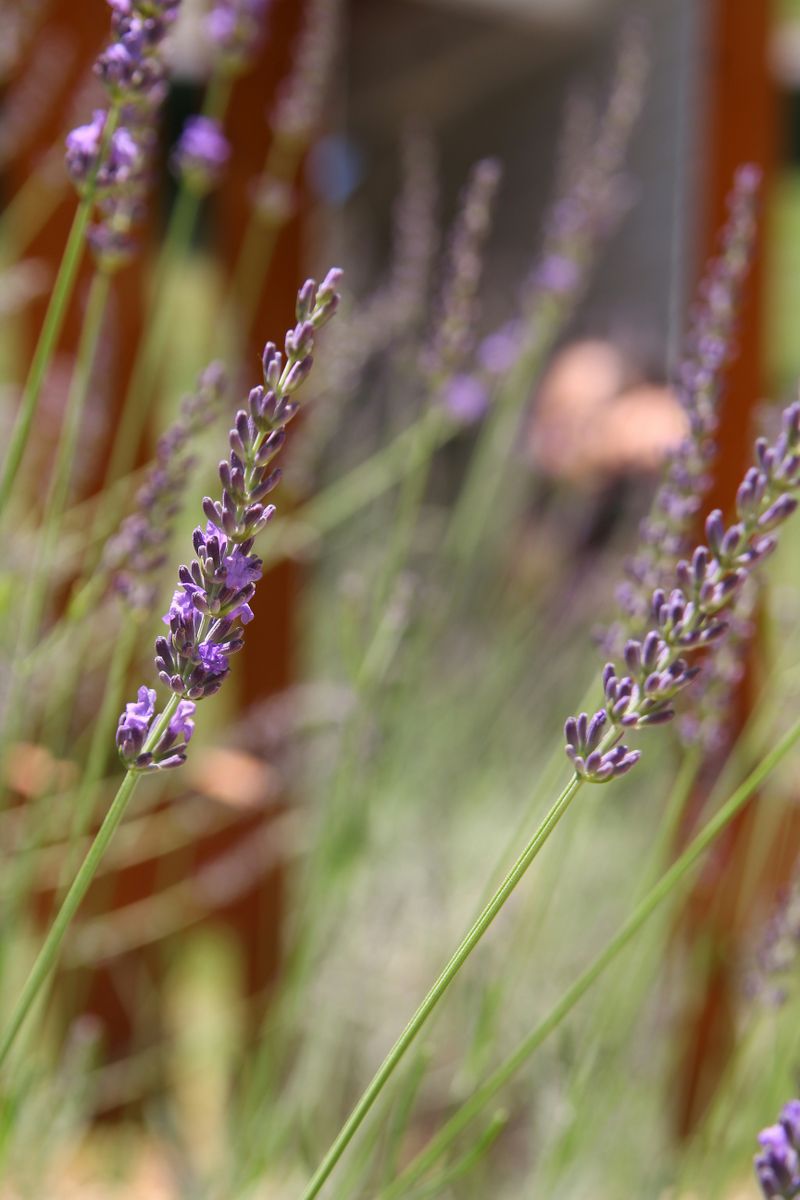
After 15 years growing lavender plants, here’s everything I’ve learned about the varieties that thrive — and the ones that don’t.
Lavender is one of the most beloved flowering plants in the world — prized for its fragrance, beauty, and versatility. Whether you’re visiting a lavender farm for the first time or planning to grow lavender flowers in your own garden, understanding the different types is essential to choosing the right variety for your climate and goals.
On our farm, we cultivate over 3,000 lavender plants across four main species. Below, I’ll share my hands-on experience with each type — what works, what struggles, and which lavender varieties are best for beginners.
1. English Lavender (Lavandula angustifolia)
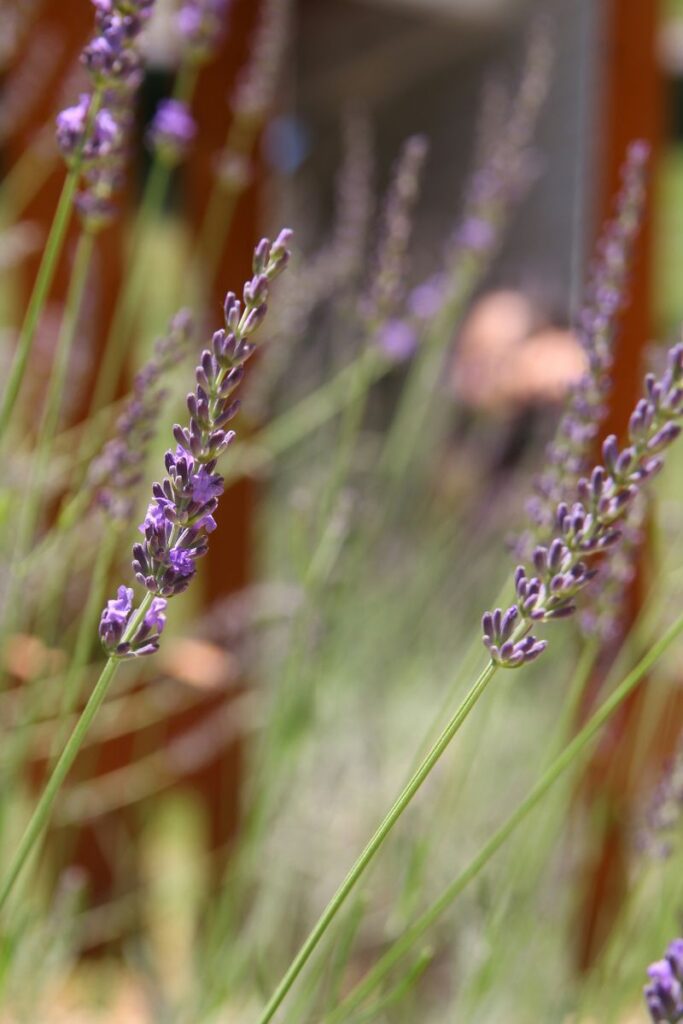
English lavender is the most popular variety for home gardeners and lavender farms alike. Despite its name, it originates from the Mediterranean. It’s the hardiest type, surviving winters down to Zone 5, and produces the sweetest-scented lavender flowers — ideal for culinary use, sachets, and essential oils.
On our farm, English lavender is the backbone of our operation. Popular cultivars include ‘Hidcote’ (deep purple, compact) and ‘Munstead’ (early blooming, reliable). These lavender plants typically reach 30–60 cm tall and bloom in early to mid-summer.
2. French Lavender (Lavandula dentata)
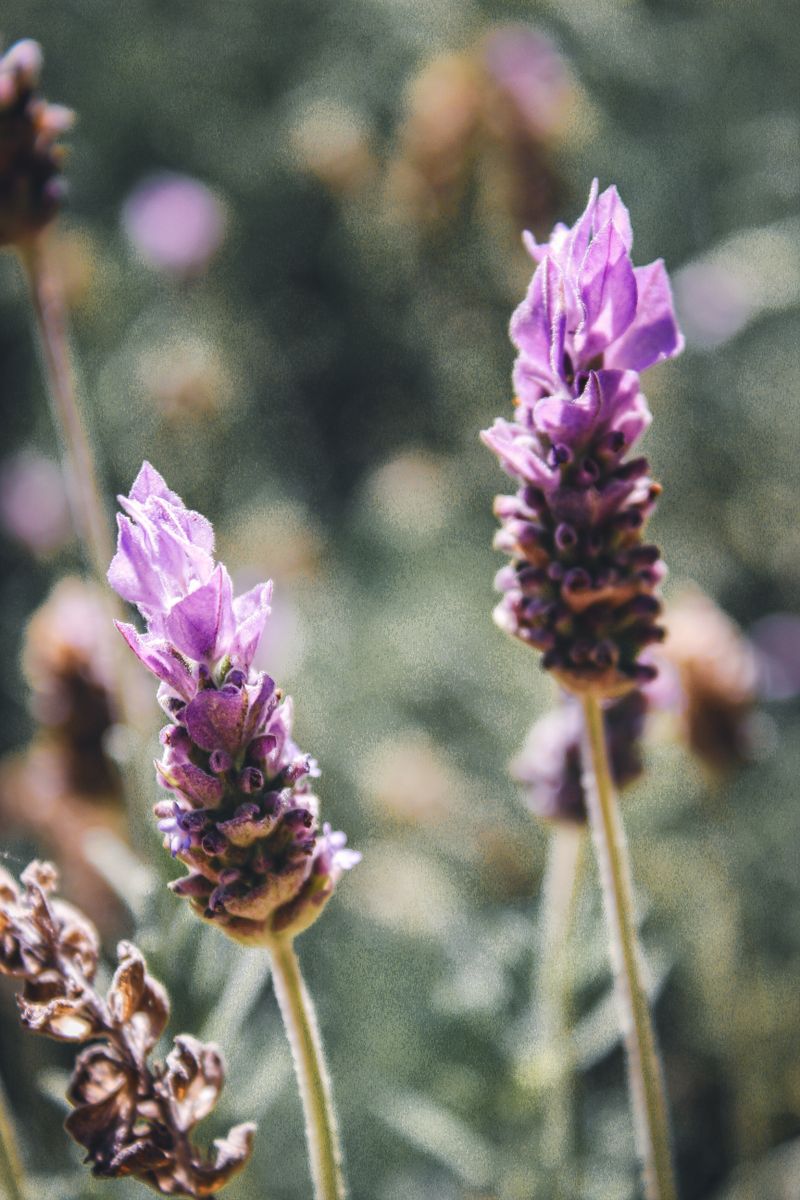
French lavender is recognizable by its toothed, slightly serrated leaves and its longer blooming season. It flowers almost continuously in mild climates, making it a favourite for ornamental gardens. The fragrance is milder and more herbaceous than English varieties.
I recommend French lavender for gardeners in warmer zones (8–11) who want year-round colour. It’s less cold-hardy than English lavender but rewards you with months of blooms. These lavender plants are stunning in borders and containers.
3. Spanish Lavender (Lavandula stoechas)
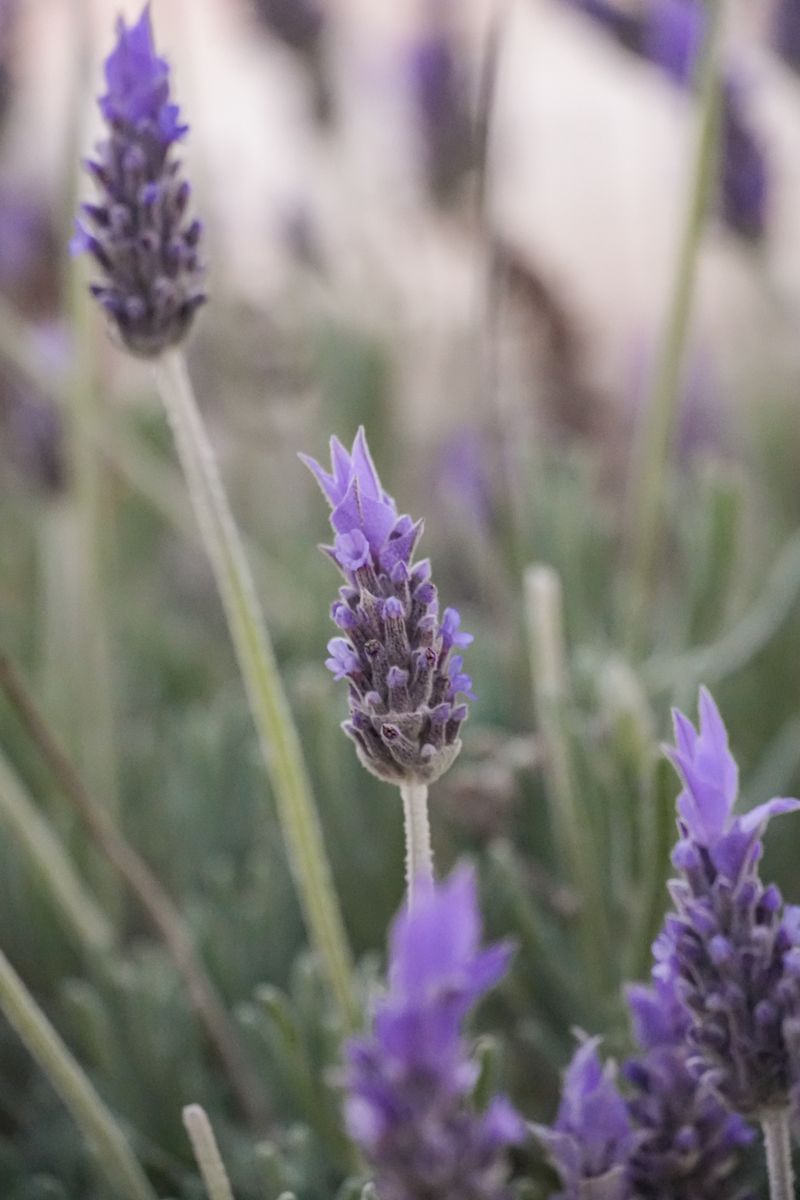
Spanish lavender — sometimes confused with French lavender — is the most visually dramatic type. Its flower heads are topped with distinctive ‘rabbit ear’ petals (bracts) that make it instantly recognizable. The pineapple-shaped blooms come in purple, pink, and white.
This variety thrives in hot, dry conditions and acidic to neutral soil. It’s less fragrant than English lavender but makes a striking addition to any lavender garden. I grow it along our farm’s entry path for its sheer visual impact.
4. Lavandin (Lavandula × intermedia)
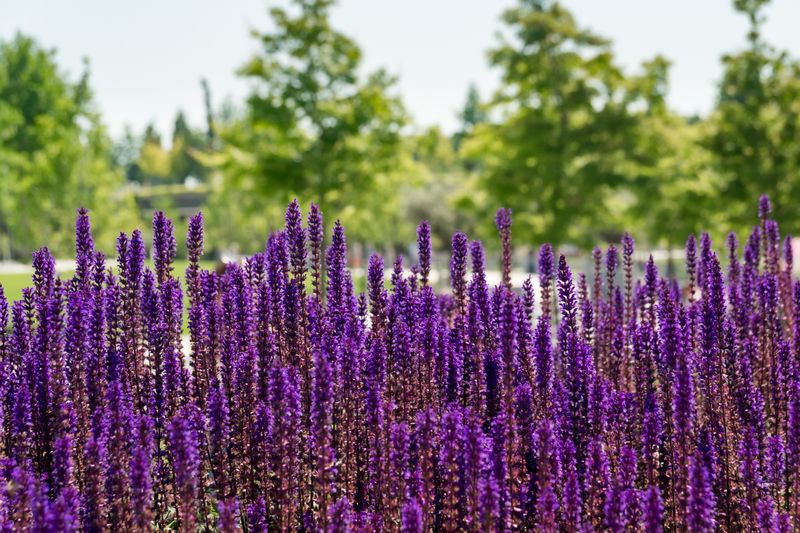
Lavandin is a natural hybrid between English lavender and spike lavender. It produces significantly more essential oil per plant, which is why the majority of commercial lavender farms grow lavandin for oil production. The plants are larger and more vigorous than true lavender.
Popular cultivars include ‘Grosso’ (the industry standard for oil) and ‘Provence’ (wonderfully fragrant). On our lavender farm, lavandin rows are our workhorses — producing abundant harvests for dried bundles, oils, and craft supplies.
Growing Lavender Plants: Quick Tips from the Farm
All lavender plants share core needs: full sun (6+ hours daily), well-drained soil, and minimal watering once established. The biggest mistake I see beginners make is overwatering — lavender is drought-tolerant and actually suffers in wet soil. Amend clay soil with gravel or sand, prune after flowering to maintain shape, and you’ll enjoy healthy lavender for 10–15 years.
Frequently Asked Questions
What is the difference between lavender and lavandin?
True lavender (Lavandula angustifolia) is a pure species with a sweet, delicate scent. Lavandin is a hybrid that grows larger and produces more oil, but with a slightly more camphoraceous fragrance. Both are commonly called ‘lavender’ in everyday use.
Can you visit a lavender farm year-round?
Most lavender farms open for visitors during peak bloom (June–August in the Northern Hemisphere). Some farms offer year-round shops and experiences, but the lavender flowers themselves are seasonal. Check your local farm’s schedule before visiting.
Is it spelled lavender or lavendar?
The correct spelling is ‘lavender’ — with an ‘e’ before the ‘r.’ The misspelling ‘lavendar’ or ‘lavander’ is extremely common but not standard in any English dictionary.
Leave a Reply